The answer to this question is a bit complicated, but this article breaks it down nicely.
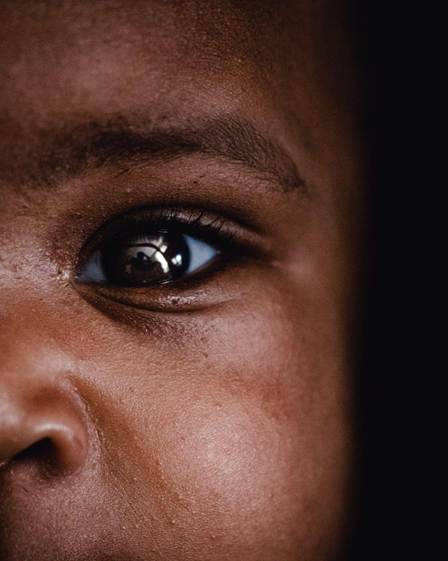
Black skin comes in various shades, and as a result, the sun’s effect also varies accordingly. You may have observed that summer seems to grow more intense every year, and for dark-skinned people, there can be such a thing as too much exposure to sunlight.
Summer, the Beach, and Sunblock
Since research scientists began to link exposure to the sun’s ultraviolet rays with skin cancer, Americans have applied sunscreen products generously on their skin every year.
However, there’s also the question of who sunscreen is produced for. A significant number, if not all, of the people in clinical trials for sunscreen aren’t black.
In 2005, two researchers in dermatology studies discovered that between 1999 and 2001, no incidences of melanoma, a specific type of skin cancer, were correlated with exposure to sunlight in black people.
One of the researchers, Dr. Martin Weinstock, is quoted by The New York Times saying that people with a natural, brown skin tone are quite resistant to skin cancer.
However, it’s important to note that with every passing year, more research is conducted. New things are learned on the topic, especially as it relates to people of color. There’s also the understanding that black skin comes in various shades; lighter shades are bound to be sensitive to excess sunlight.
A Natural Sunscreen

Melanin acts as a natural sunscreen, and the amount of melanin determines the darkness or lightness of the skin. So, black people have more of this natural protection against sunlight than, say, white people, and this is why you may find that more white people use sunblock than black people.
That said, exposure to excess sunlight means that you are likely to get sunburned, regardless of your skin tone. Sure, dark-skinned people may not notice that they’re burned, but that doesn’t mean they aren’t.
Also, this natural protection does not mean that black people should not get their skin checked out from time to time. On the contrary, while exposure to the sun isn’t often linked with skin cancer in black people, skin cancer can still happen for other reasons.
Too Much Sunblock
Yes! There is such a thing as too much sunblock.

Extra detail is linked with producing that natural sunscreen that protects them from harmful ultraviolet rays for the black community. Vitamin D deficiency.
The sun is the best natural source of vitamin D. This sunshine vitamin helps strengthen the bones by increasing the body’s ability to absorb calcium. This potent vitamin also boosts immunity.
When you’re under the sun, the ultraviolet B rays reaching your skin turn a specific chemical in your skin into Vitamin D3. This Vitamin D3 is transferred from your skin to your liver and then kidneys before it becomes available for your body to use.
It’s easy to NOT get your adequate dose of Vitamin D. This reality can happen because you already produce considerable melanin, don’t get out much, or wear too much sunblock. So, try not to over-wear sunblock.
You should reduce the amount of sunblock you wear as a black person because it may increase your vitamin D deficiency. You can also take vitamin D supplements. I will advise that you get some blood tests done first and have a doctor prescribe the correct amount of vitamin D supplements for you.
So, Do I Wear Sunblock or Not?
Many black people prefer not to. But, I will say this, though, if you think you’re going to be out in the sun for a really long time on any day, rubbing some sunscreen wouldn’t hurt at all. This approach makes a lot of sense, especially in peak summer months.
Be sure to get your vitamin D levels checked out. If you wear sunblock, you may not also be getting as much vitamin D from the sun as your body needs, and you’ll need to fix that.
I think the short answer to that question is…it depends on your activity levels under the sun.
So, with all the information I’ve just shared, you can decide, every day, based on your activity levels, how much sunblock to wear or not to wear at all.
I hope this helps!